
02
01
Pyrolysis Plant
An ultra-low oxygen, sealed carbonization process is applied to block external oxygen inflow, minimizing salt concentration and nitrogen nutrient loss caused by oxygen exposure. Biogas generated during the process is 100% recycled to improve efficiency and reduce external energy use. All processes are maintained at 500–700°C for at least 3 minutes, producing biochar with consistent and stable quality.

PYROLYSIS SYSTEM
Pyrolysis Plant Types
We operate two types of pyrolysis plants: continuous and batch systems. The continuous system enables large-scale, continuous processing using superheated steam carbonization technology, while the batch system applies vertical thin-film drying and carbonization technology for precise process control tailored to feedstock characteristics.
BIO C&C operates an integrated system that combines all processes—from livestock manure pretreatment to pyrolysis, energy recycling, and final biochar production—into a single facility.
By applying drying and carbonization processes tailored to feedstock characteristics along with ultra-low oxygen pyrolysis technology, we minimize product variability and ensure consistent quality.
Biogas generated during the process is recycled as an energy source, reducing dependence on external energy and maximizing process efficiency.
Through this facility-based system operation, we produce stable livestock manure biochar products that are ready for direct application in environmental and agricultural fields.
Integrated Biochar Production System

LIVESTOCK
MANURE BIOCHAR


Livestock manure is not waste—
it is a resource. BIO C&C creates sustainable eco-friendly carbon materials where environment and industry coexist.
WHY BIOCHAR
Import Substitution
Effect
• Replaces imported castor meal fertilizer
(Southeast Asia)
• Cuts chemical fertilizer use by over 50%
• Reduces fertilizer import costs
Environmental Improvement
• Reduces air, water, and soil pollution
• Reduces odor complaints
• Reduces greenhouse gas emissions
(1 ton biochar = 2 tCO₂eq reduction)

ESG Agricultural Innovation
• Improves rural environment
• Reduces social conflict costs
• Increases crop productivity
• Reduces fertilizer costs
BIOCHAR IMPACT
Biochar improves soil health, reduces environmental pollution, and enables sustainable agriculture.
It also contributes to carbon reduction, supporting long-term climate action and ESG goals.


SOLUTION & ROADMAP
04
Low-Carbon Livestock Solution
1 ton of biochar achieves approximately 2–3.5 tons of CO₂ reduction, supporting national NDC targets and low-carbon green livestock policies.
01
Resource Recovery & Volume Reduction
Converts livestock manure and agricultural by-products into sustainable carbon materials, reducing waste volume to about one-fifth while providing soil amendment and slow-release fertilizer effects.
02
Advanced Pyrolysis Technology
Applies optimized pyrolysis tailored to livestock manure characteristics to produce high-quality biochar, while minimizing secondary environmental pollutants across the process.
03
Agricultural Market Transition
Reduces chemical fertilizer dependence by over 50% and replaces imported castor meal fertilizer, restoring soil health and supporting sustainable agriculture.


02

CARBON CREDIT
Global Carbon Credit Market
Domestic Voluntary Carbon Market
01
Participating in voluntary carbon reduction trading with major export-oriented manufacturing companies in Korea requiring carbon credits.
Building alliances with major global carbon credit platforms such as Puro.earth, Carbonfuture, Verra, and South Pole to facilitate international market-based carbon credit sales.

GLOBAL CARBON TRENDS
The carbon credit market is rapidly becoming more structured amid the global push toward carbon neutrality. As the market expands, regulatory credibility is strengthening and participation from global companies is increasing, leading to a shift toward high-quality credits as the new trading standard. These changes are positioning carbon credits not only as an environmental tool, but as a long-term strategic global asset with significant value.
High-Quality Carbon Credit Shift

The global carbon credit market is shifting from volume-based growth to quality-driven standards. Key criteria such as scientific verification, long-term permanence, and avoidance of double counting are becoming central to trading. As a result, credits with proven real impact and long-term value are being prioritized, positioning carbon credits as a strategic long-term ESG asset for companies.
Improved Certification and Trust

The carbon credit market is rapidly strengthening verification standards and certification systems. Expansion of international standards such as Verra, Gold Standard, and ISO, along with stricter verification systems, is increasing transparency and trust. This is driving companies to adopt carbon credits as a core ESG asset.
Rising Carbon Neutrality Demand

Global companies with carbon neutrality targets are increasing carbon credit purchases. Participation in the voluntary carbon market (VCM) is expanding across industries such as automotive, finance, IT, and energy, sustaining strong demand for high-quality credits. This is enhancing market stability, liquidity, and long-term value.
Global Carbon Credit Market Growth
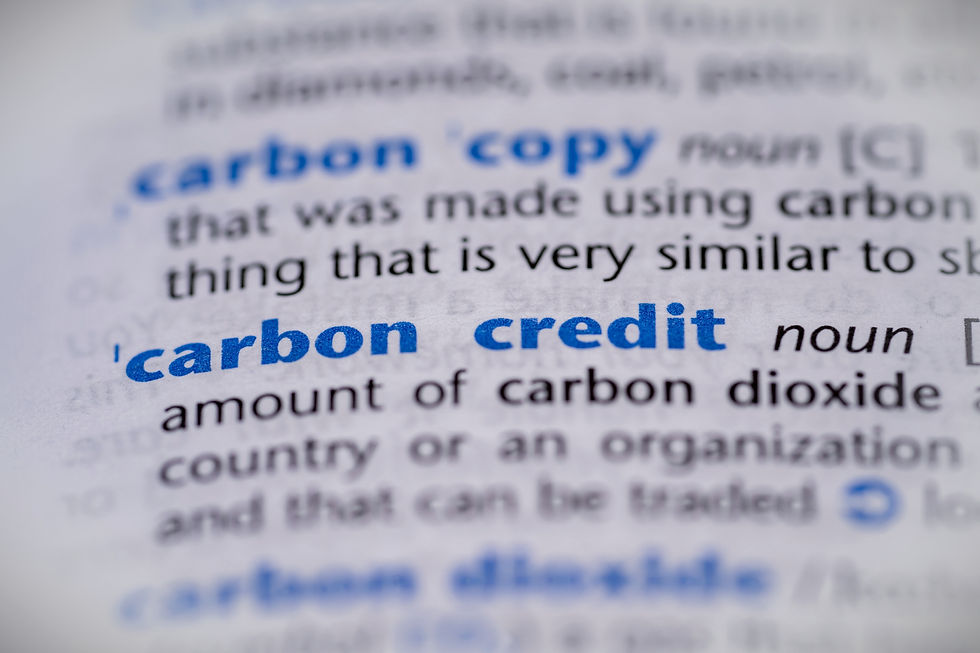
The global carbon credit market is growing rapidly as carbon neutrality becomes a global standard. Demand is rising sharply, driven by measurable projects such as renewable energy, biochar, forestry, and soil carbon storage. The market is expected to grow at a double-digit rate in the coming years.

Head Office
201, 177-10 Gwangjang-ro, Baebang-eup, Asan-si, Chungcheongnam-do, South Korea
Anyang Branch
1606, 29 Simin-daero 109beon-gil, Dongan-gu, Anyang-si, Gyeonggi-do, South Korea
Uiseong Plant
276 Anshin-ro, Angye-myeon, Uiseong-gun, Gyeongsangbuk-do, South Korea
Tel
+82 31-427-1537
Fax
+82 31-453-1530
help@biocnc.co.kr
© 2026 BIO C&C. All rights reserved.